Meet the Team
Women’s Online Wellbeing is bringing together an international team of experts from across social sciences and law
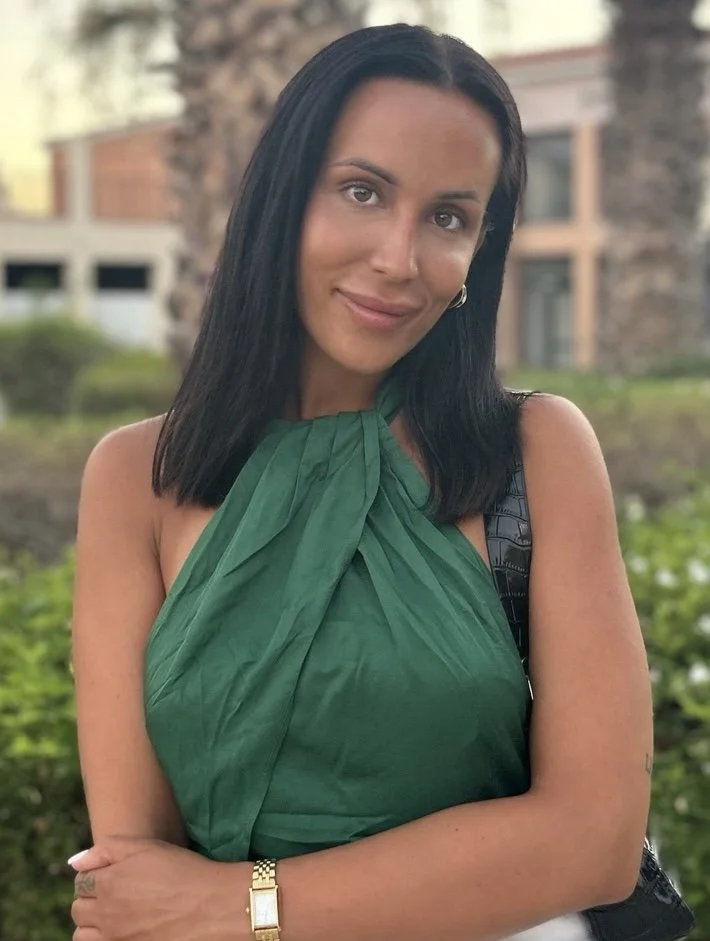
Programme Lead, Principal Investigator:
Dr Stephanie Fohring
Stephanie joined Northumbria as a Senior Lecturer in Criminology in July 2020. Prior to this, she worked as a criminology lecturer at Edinburgh Napier University and completed both her PhD and a British Academy Post-Doctoral Fellowship at the University of Edinburgh.
Stephanie's research is victim-focused with particular interest in psychological aspects of victimisation, victimisation surveys, victim labelling, victim experiences of reporting crime and the criminal justice system, violence against women, vicarious trauma and post-traumatic growth.
She is a member of several working groups focusing on victimisation, including the European Society of Criminology's working group on Victimology, the British Society of Criminology's Victim's Network, and the Women, Crime and Criminal Justice Network. She is also a member of the EU COST-Action Cultures of Victimology. Stephanie is a Fellow of the Higher Education Academy and the Royal Society for the Encouragement of Arts, Manufactures and Commerce.
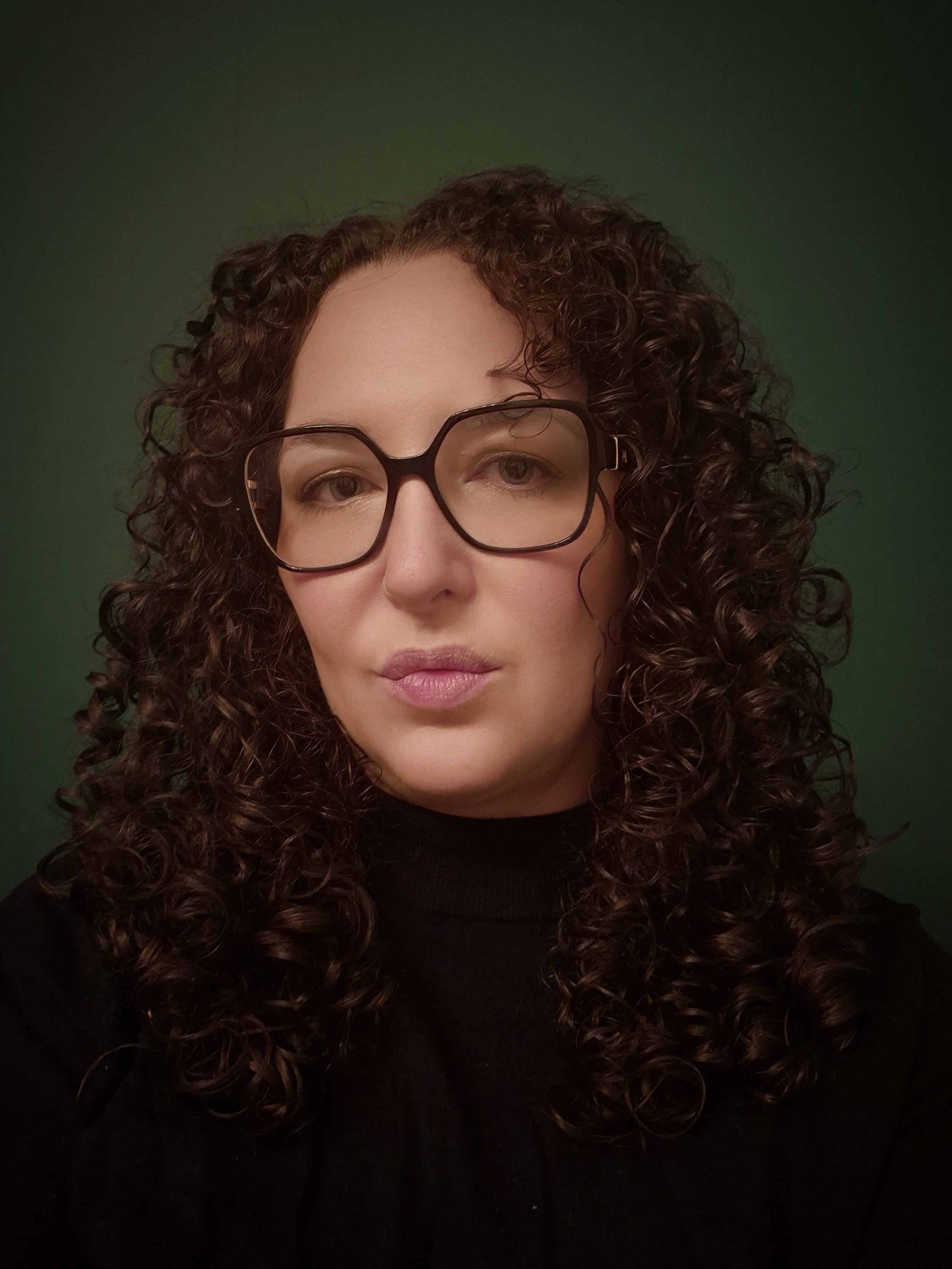
Country Lead Spain, Co-Investigator:
Professor Carolina Villacampa
Professor Carolina Villacampa is a leading Spanish criminologist and legal scholar based at the University of Lleida, where she specialises in violence against women, victimology and criminal justice responses.
Her work examines how legal systems, policy frameworks and social attitudes shape women’s experiences of harm, with a focus on gendered violence, technology-facilitated abuse and image-based sexual offences. She is widely published, actively involved in European collaborations, and contributes expert insights to national and international policy debates.
Country Lead Poland, Co-Investigator:
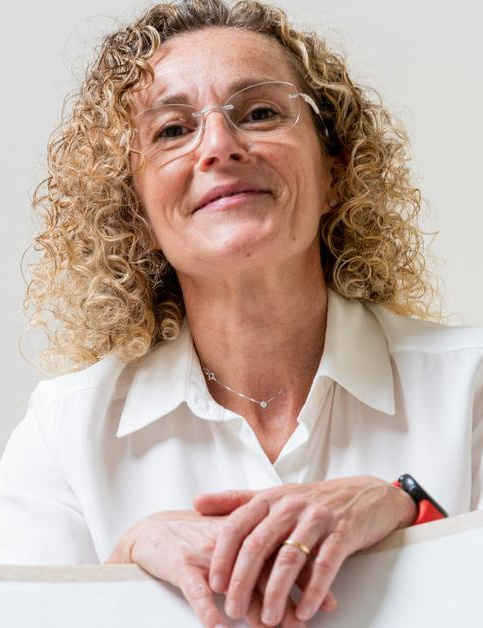
Professor Witold Klaus
Witold Klaus is a professor at the Institute of Law Studies, Polish Academy of Sciences (head of the Department of Criminology and of the Migration Law Research Centre). He is a lawyer, criminologist, migration researcher and civil society activist. He serves as editor-in-chief of the oldest Polish criminological journal, “Archiwum Kryminologii” (Archives of Criminology). He has held scholarships from the British Academy (UK), the Max Planck Institute for Foreign and International Criminal Law (currently the Max Planck Institute for the Study of Crime, Security and Law, Germany), Bielefeld University and the US government. He leads the Program Council of the Victim Support Foundation in Poland (Fundacja Pomocy Ofiarom Przestępstw) and is an advisor to the Ministry of Justice on the Justice Fund, which is a public fund to support victims of crimes.
His main areas of academic interest include: refugee and immigrant rights, deportation, critical border studies, victimology and victimisation of marginalised groups, juvenile delinquency and desistance from crime.
Country Lead UK and Ireland, Co-Investigator:
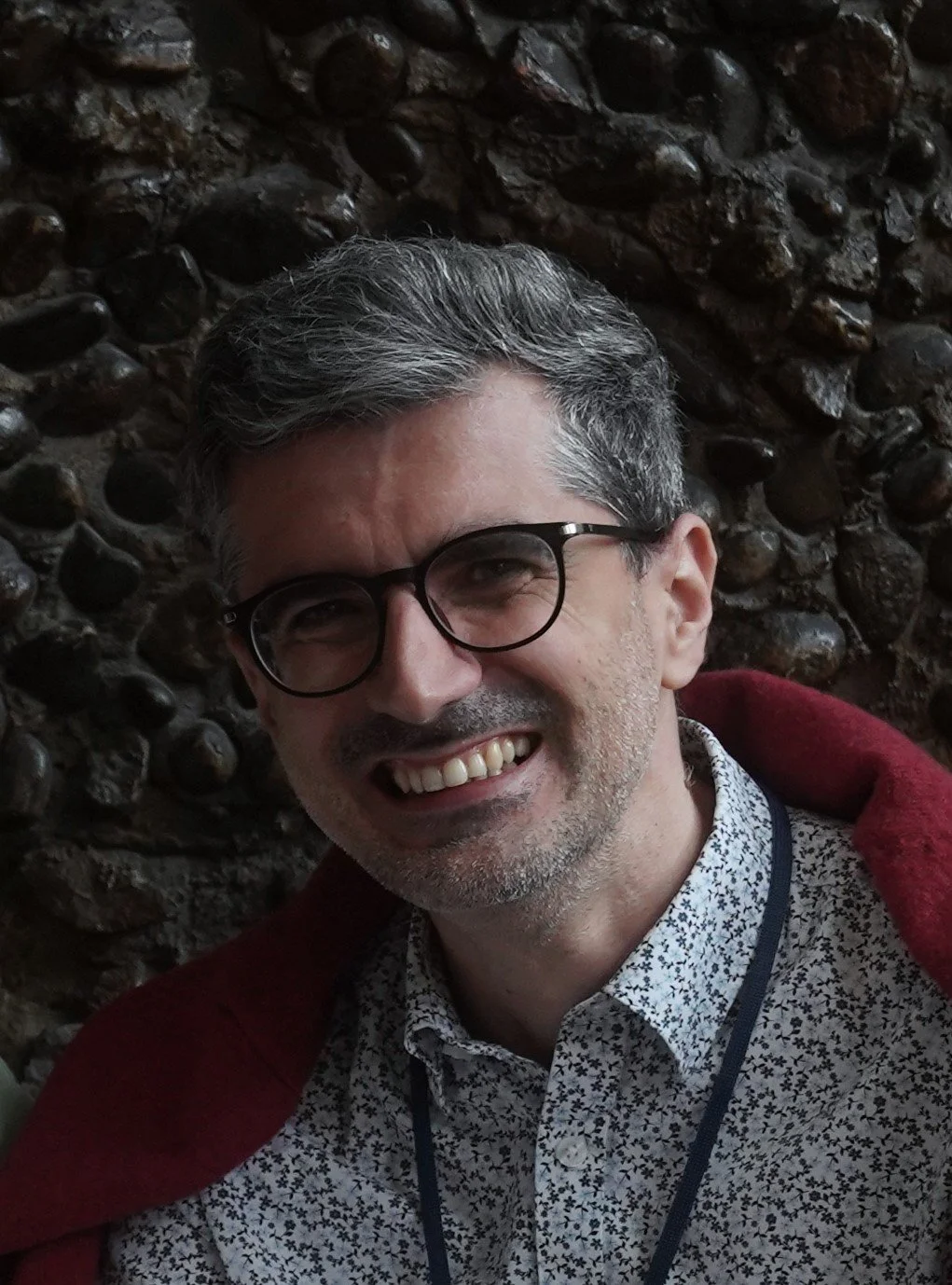
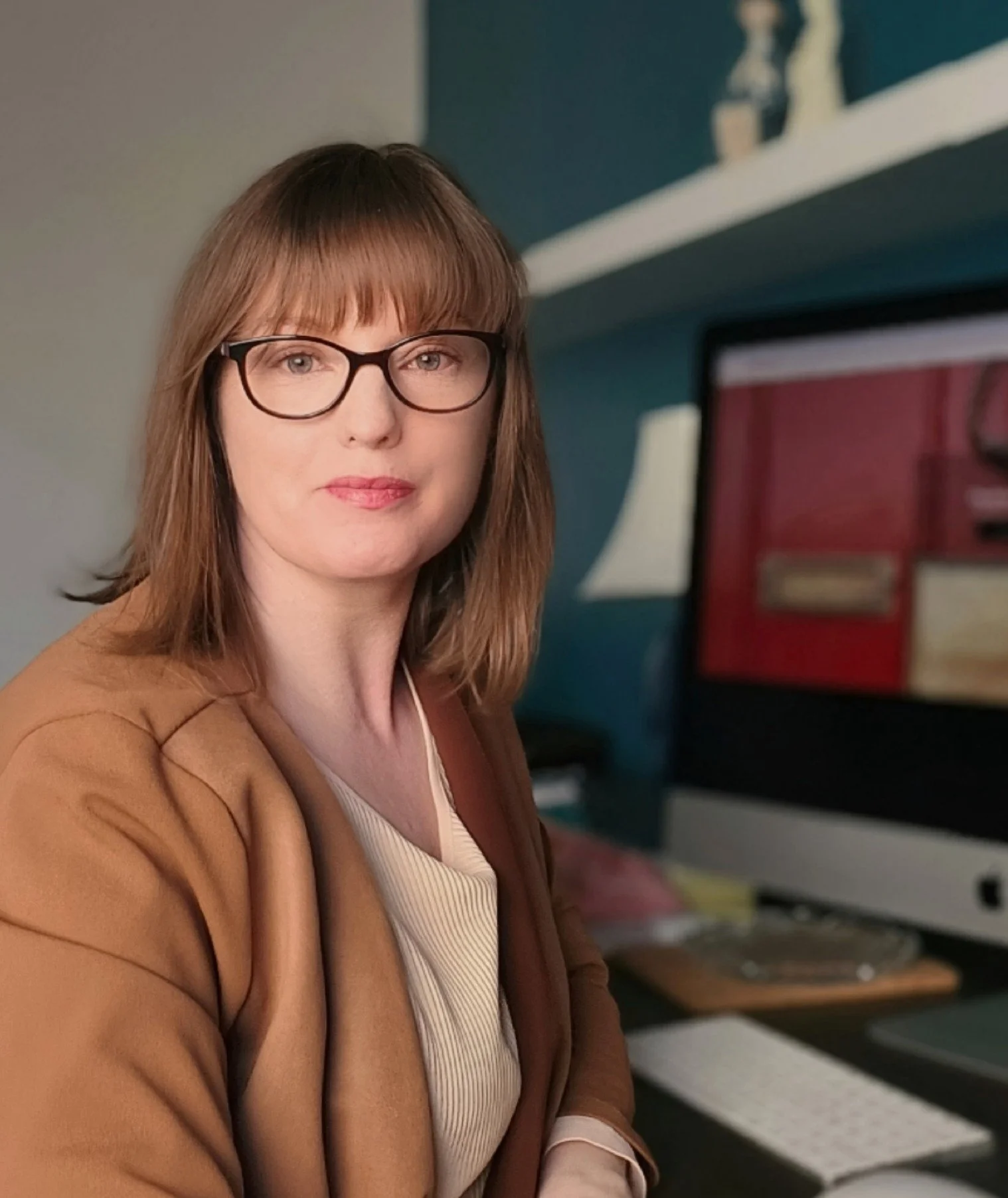
Dr Jennifer O’Mahoney
Dr Jennifer O’Mahoney is a Senior Lecturer in Psychology at South East Technological University (SETU), Co-Director of the Crime and Justice Research Group, and Senior Researcher at INSYTE (The Centre for Information Systems and Techno-culture). A Chartered Member of the Psychological Society of Ireland, she specialises in narrative psychology, victimology, and the ethics of institutional memory. She is Principal Investigator of the Waterford Memories Project, a survivor-led initiative documenting the history and afterlives of Ireland’s Magdalene Laundries and industrial schools.
Her research explores the intersections of trauma, carceral memory, digital culture, and transitional justice, with a focus on making research accessible and impactful. Through interdisciplinary, survivor-informed collaborations, Jennifer works to challenge processes of gendered disappearance, both historical and contemporary, and advocates for ethical, justice-oriented approaches to memory, pedagogy, and redress.
Country Lead Sweden, Co-Investigator:
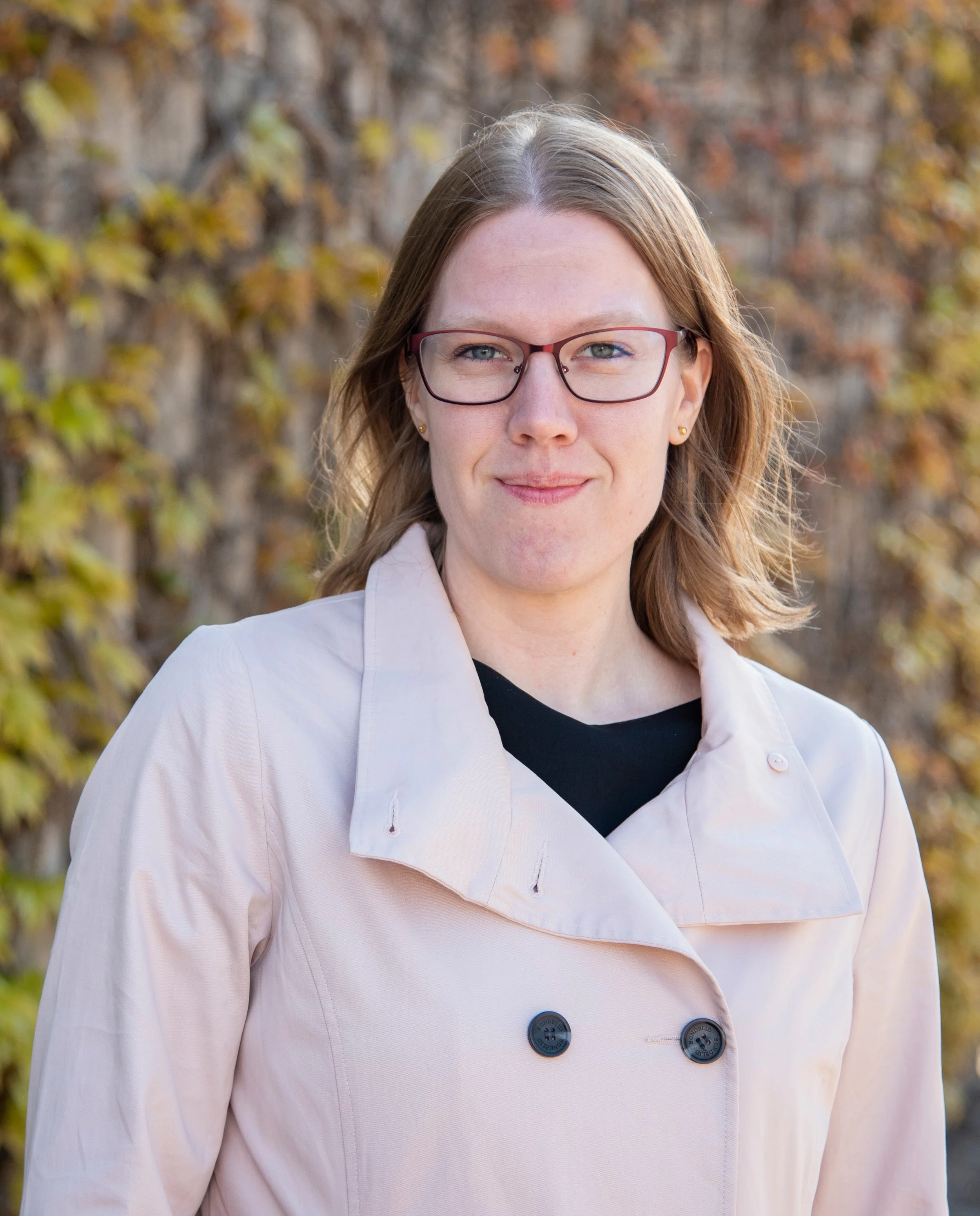
Professor Sara Thunberg
Sara Thunberg is an Associate Professor in Social Work, PhD, MSW. Her research mainly focuses on post-victimisation support for young victims of crime, and especially the matching between youths' needs for support after victimisation and available support in society. Her research encompasses both national and international aspects, as well as comparisons.
Thunberg is also a part of a research project on the social services’ investigative work in relation to commercial sexual exploitation of children, which will be ongoing until 2028. The project is funded by Forte.
Previously, Thunberg studied post-victimisation support in general, focusing on, for example, collaboration between governmental and non-governmental organisations, as well as the social services’ responsibility for post-victimisation support. She has also studied children’s experiences of living in domestic violence shelters and support for children after a forensic interview.
Research Team, Spain:
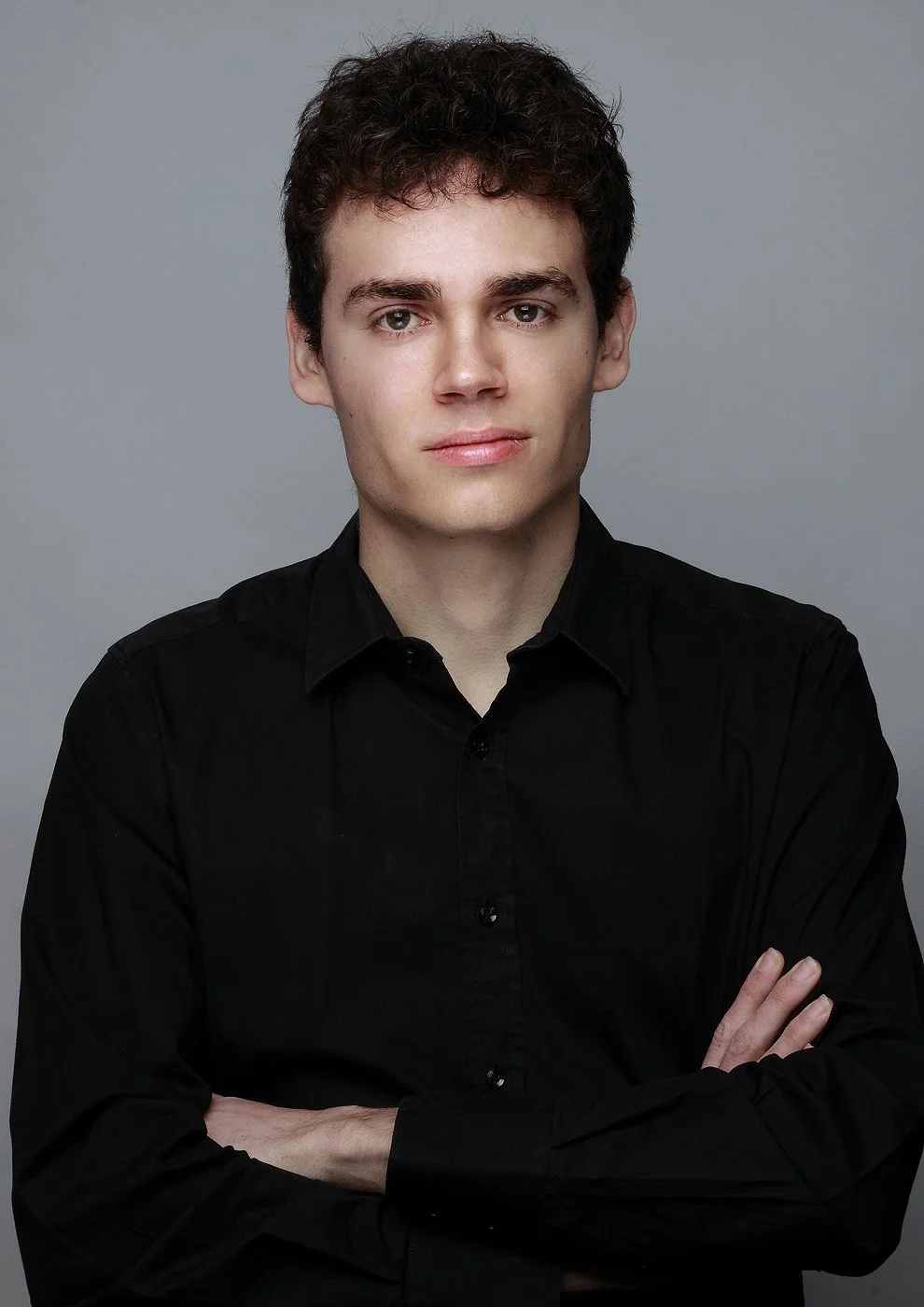
Rubén Espuny Cugat, Lecturer in Criminal Law
Rubén Espuny Cugat is a Lecturer in Criminal Law at the University of Lleida, where he teaches on the Bachelor of Laws (LLB) degree and three official university master’s programmes. He previously held a predoctoral research fellowship and completed his PhD in Law with the highest distinction (excellent cum laude).
He has participated in four competitive research projects, two of which were international in scope. His research focuses on transnational organised crime linked to migratory movements, with particular emphasis on the trafficking of minors. His work combines the analysis of substantive and procedural criminal law with consideration of welfare and support measures, promoting a comprehensive, victim-centred approach.
Research Team, Spain:
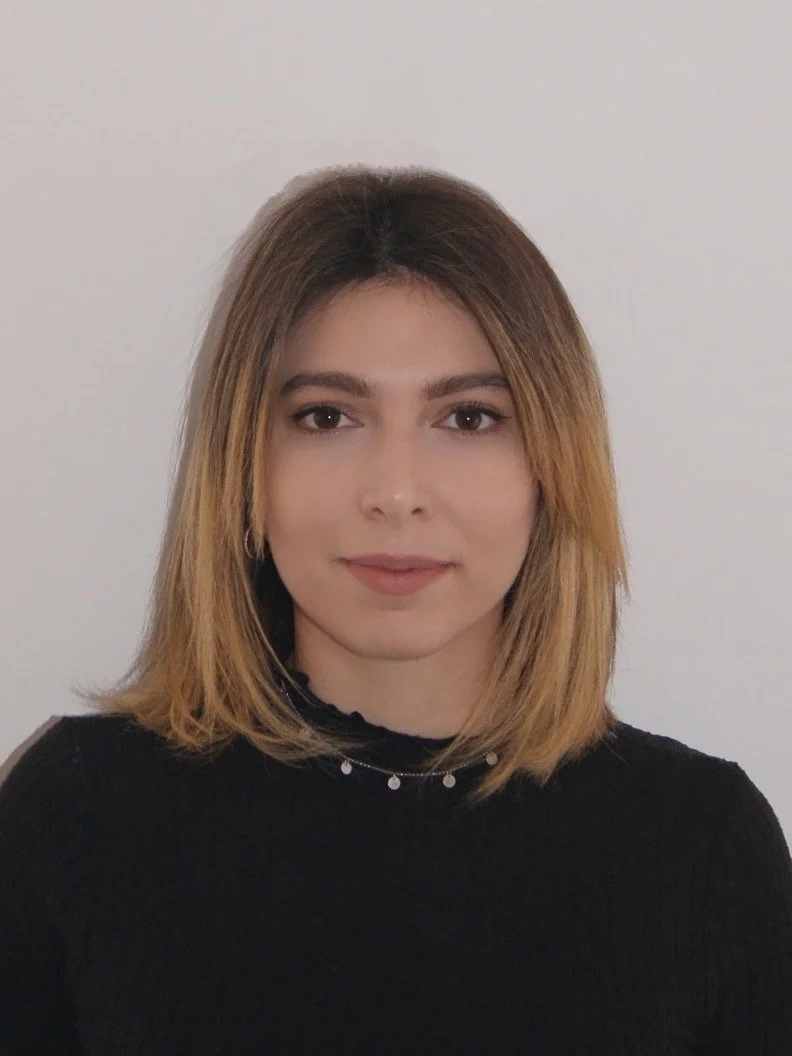
Torres Ferrer, Lecturer in Procedural Law
Torres Ferrer is a Lecturer in Procedural Law at the University of Lleida, where she has taught since 2019 on the Law degree and postgraduate and Master’s programmes. Since December 2024, she has served as Coordinator of the Interuniversity Master’s Degree in the Criminal Justice System.
Ferrer has participated in six competitive research projects, including two international projects, and is a member of the SGR research group SOIUS (2021/SGR0255).
Her research focuses on human trafficking and its links to economic crime, gender-based violence offences, and the rehabilitation of radicalised young people.
Research Team, Poland:
Assistant Professor Monika Szulecka
Monika Szulecka holds a PhD in Legal Studies (Criminology) and a master's degree in Political Science. She is an Assistant Professor at the Institute of Law Studies of the Polish Academy of Sciences and Secretary of the Migration Law Research Centre. She is also a researcher at the Centre of Migration Research at the University of Warsaw.
She has extensive experience in interdisciplinary studies concerning migration and asylum policies, irregular migration and migration-related criminal phenomena, as well as human rights in the context of mobility.
Since 2023, she has been an executive editor of Archives of Criminology, the oldest criminological journal in Poland. She has authored numerous scientific papers on migration and asylum law. Her recent research interests include the rights of crime victims and victimisation, particularly in the context of migration.
Research Team, Sweden:
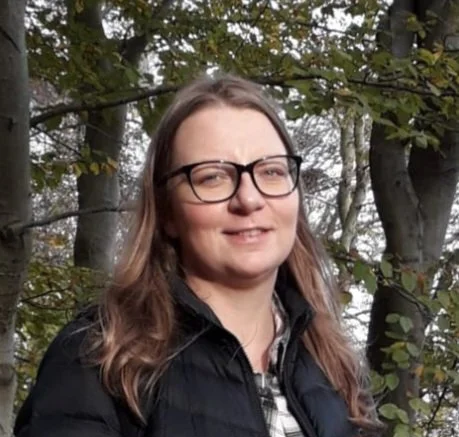
Associate Professor Linda Arnell
Linda Arnell is an Associate Professor in the Department of Social Work at Umeå University, Sweden. Her research focuses on children’s and young people’s life situations, with particular emphasis on gender, violence, abuse, and social relations.
She has extensive expertise in research with young people in marginalised and vulnerable contexts, including work on violence and criminality, abuse and victimisation, gender norms and intersectionality, qualitative research on highly sensitive topics, and research ethics.
Postdoctoral Researcher:
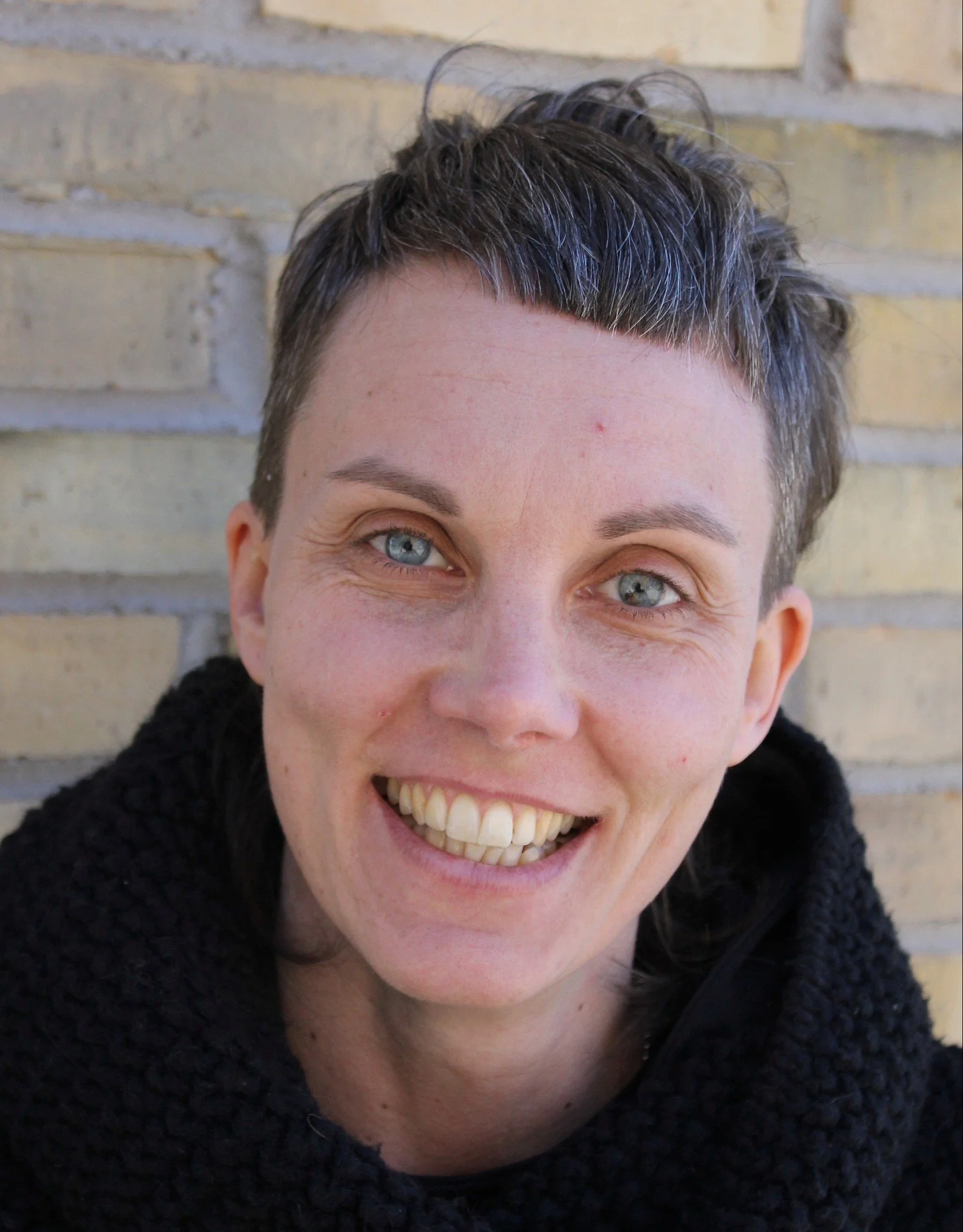
Dr Agnieszka Potocka
Agnieszka Potocka holds a PhD in psychology and works as a postdoctoral researcher and assistant professor at the Institute of Law Studies of the Polish Academy of Sciences. Her research focuses on the psychology of morality, intergroup violence, social identity, sustainability, and human relationships with other animals, with a particular emphasis on quantitative research methods.
In 2023, she defended her doctoral dissertation, Instrumental Violence Against Animals: The Role of Moral Foundations and Mind Perception, supervised by Agnieszka Golec de Zavala and Maksymilian Bielecki at SWPS University.
From 2020 to 2024, she served as principal investigator on a research grant awarded by the Animal Advocacy Research Fund, funded by Animal Charity Evaluators (USA).
Postdoctoral Researcher:
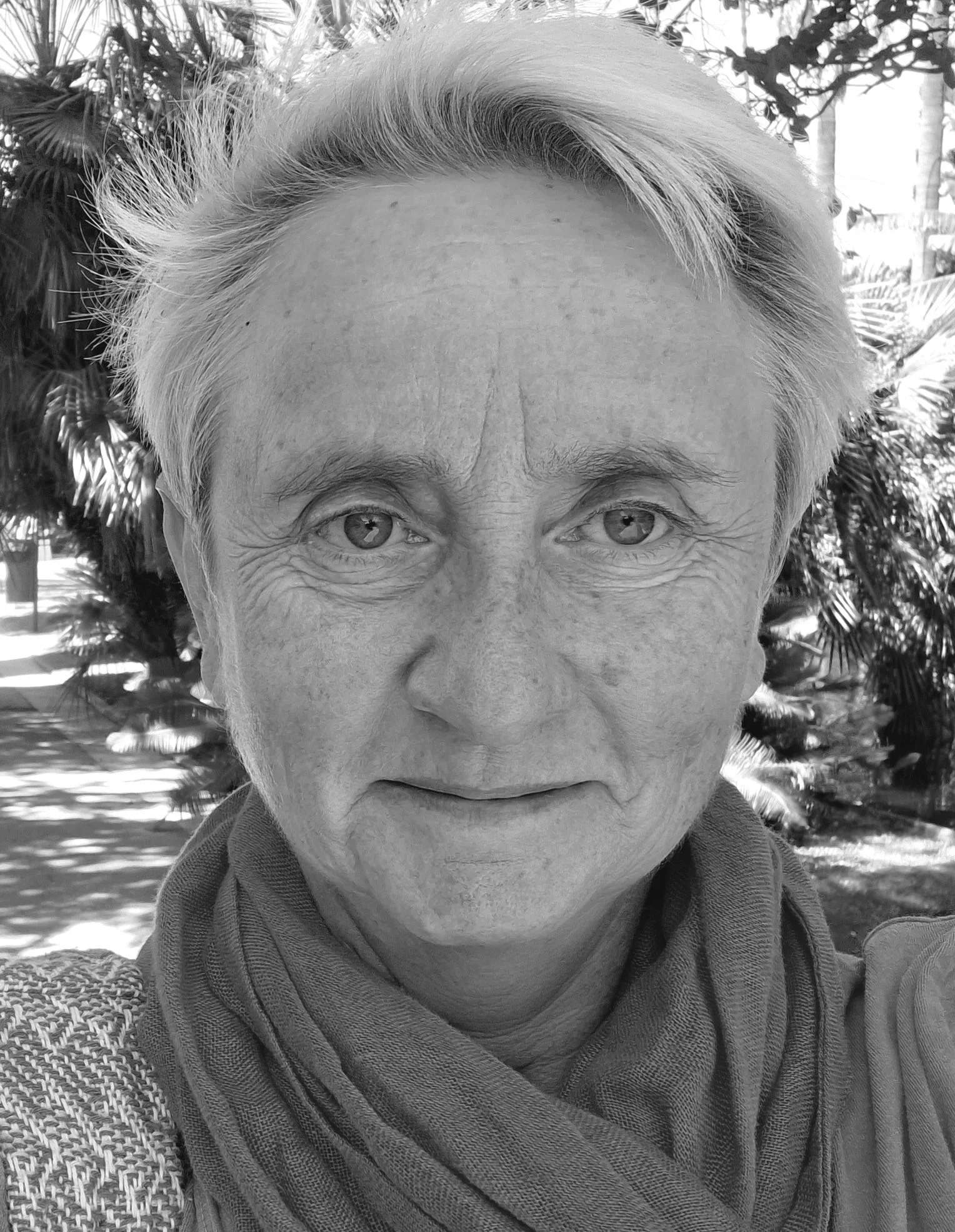
Dr Hazel Sayer
Hazel is a postdoctoral research fellow on the Women’s Online Wellbeing (WOW) project. She is a social psychologist specialising in sexism and gender-based violence, with expertise in criminology. Her work includes extensive collaboration with police forces and third-sector justice organisations to address and prevent violence against women and girls, as well as to challenge victim-blaming across the justice system. She is also the co-founder of herEthical AI, an organisation that supports law enforcement in tackling gender-based violence through the responsible use of AI technologies. Hazel has contributed to projects funded by the Office of the Police Chief Scientific Adviser (Science, Technology, Analysis and Research grant), the British Academy, and the Home Office’s Operation Soteria Bluestone - a national initiative transforming police responses to rape and sexual offences.
In addition, she serves as a voluntary research consultant for Right to Equality’s Breaking Bias, Building Justice campaign, which seeks to shed light on gender bias in family law proceedings.
Post Doctoral Researcher:
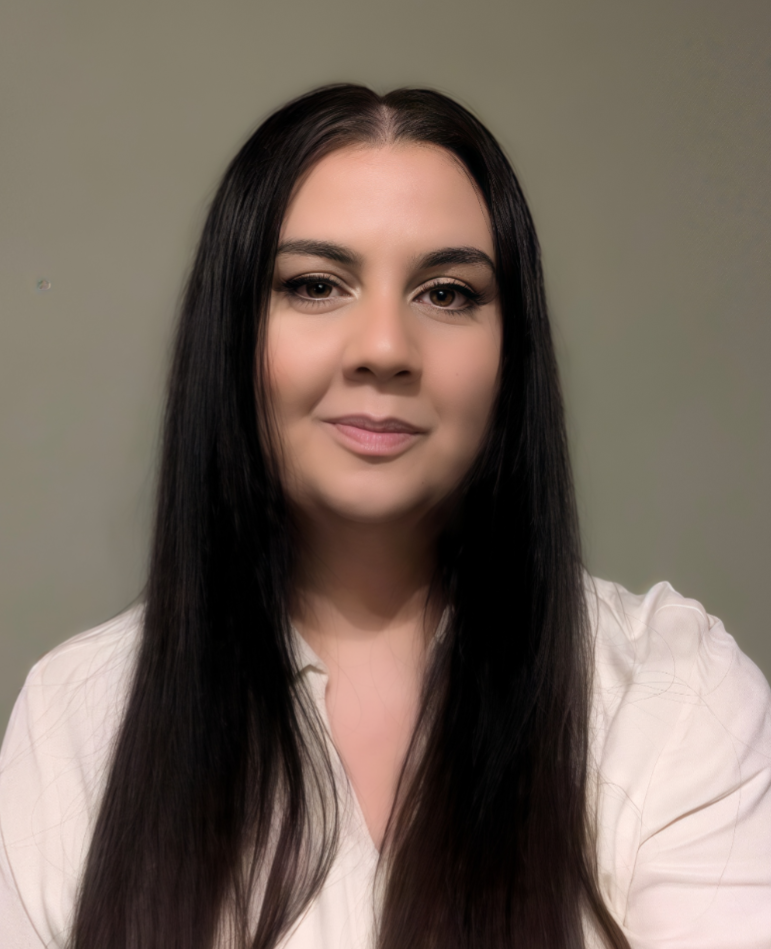
Julia Méndez-Hernández
Julia Méndez-Hernández is a Postdoctoral Researcher at the University of Lleida, a position she has held since 2024. She holds a Bachelor’s degree in Criminology from the University of Salamanca, two Master’s degrees—one in Forensic Profiles of Criminal Dangerousness (Rey Juan Carlos University) and one in Feminist, Gender and Citizenship Studies (Universitat Jaume I)—and a PhD in Criminology from the Universities of Granada, Miguel Hernández of Elche, and Murcia (cum laude).
Her research focuses on violence against women, with particular attention to perpetrators of intimate partner gender-based violence and the sociocultural factors shaping such violence. Her current work examines digital forms of violence against women. She has participated in five competitive research projects, including one international project, and is a member of the SGR research group SOIUS (2021/SGR0255).
Research Team:
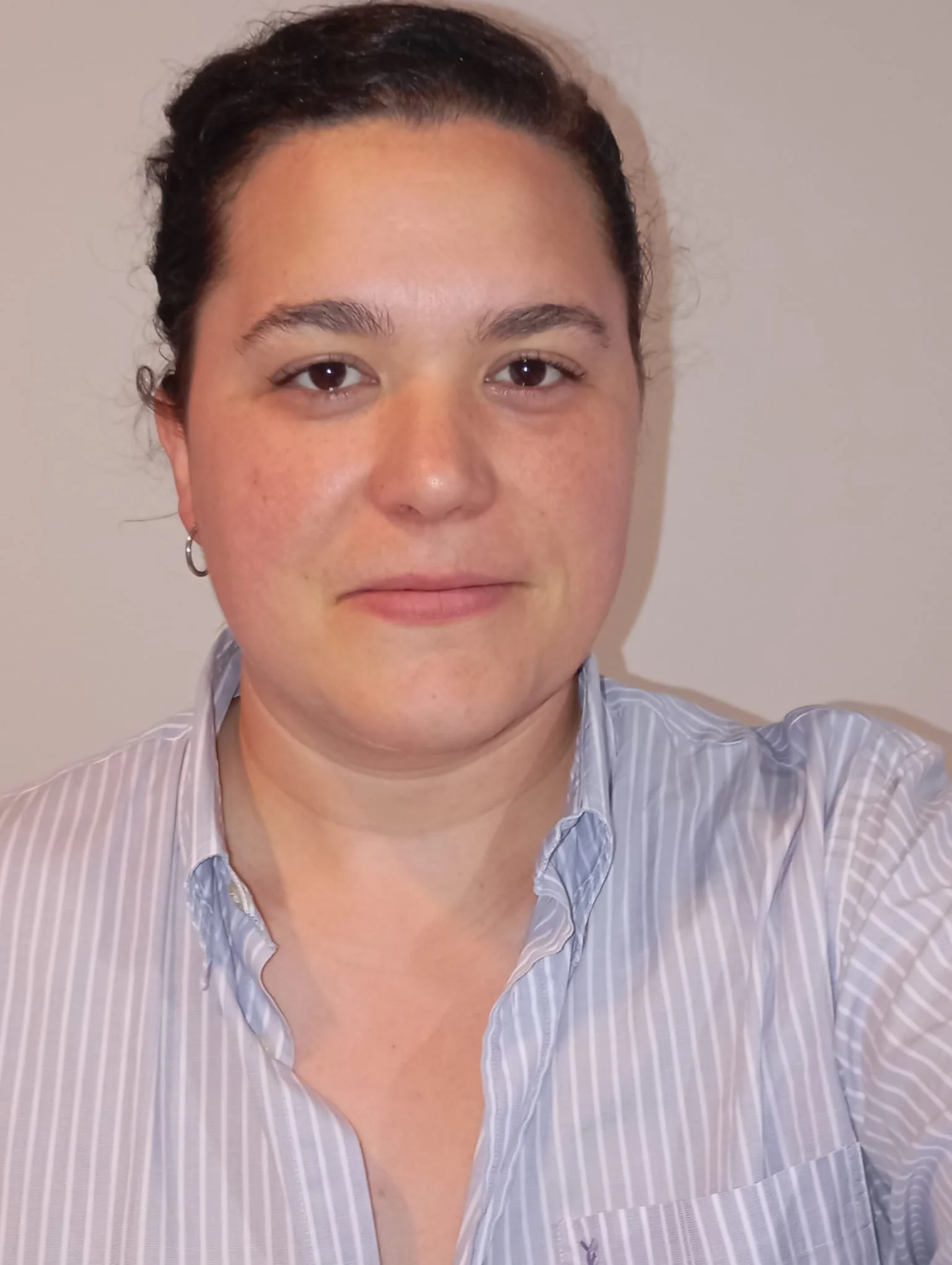
Belma Isakovic, PhD candidate
Belma Isakovic is a PhD candidate in Social Work at Örebro University, Sweden. She holds both a Bachelor’s and a Master’s degree in Criminology.
As a member of the WOW research team, her doctoral research aims to advance understanding of digital violence against women, with a particular focus on technology-facilitated sexual violence and its impact on women’s online lives and overall wellbeing.
Belma is actively engaged in several research groups within both Criminology and Social Work, across universities, with a primary focus on violence and victimisation.